The term “Pink Pilates Princess” has been haunting the internet for almost two years now. It came to climax when Spotify decided to call me and a bunch of gays who listened to Chappell Roan and Charlixcx; pink pilates princesses. But who is she? and why has pilates become so popular all of a sudden?
Essentially, there is a quite big community of women all around the world who attend pilates classes and wear overpriced athleisure-wear and many of them make online content about it. Since the pandemic year, the online space has debuted a plethora of Girls. E-girl (gone but not forgotten) The fashion girl, The clean girl, That girl, Tomato girl, Hailey Beiber again for some reason, and the final boss till another’s emergence; The Pilates Princess. While most of the Girls we’ve known and loved inevitably decreased in popularity or disappeared altogether, the Pilates Princess has proven to be the most resilient of them all.image from Pinterest
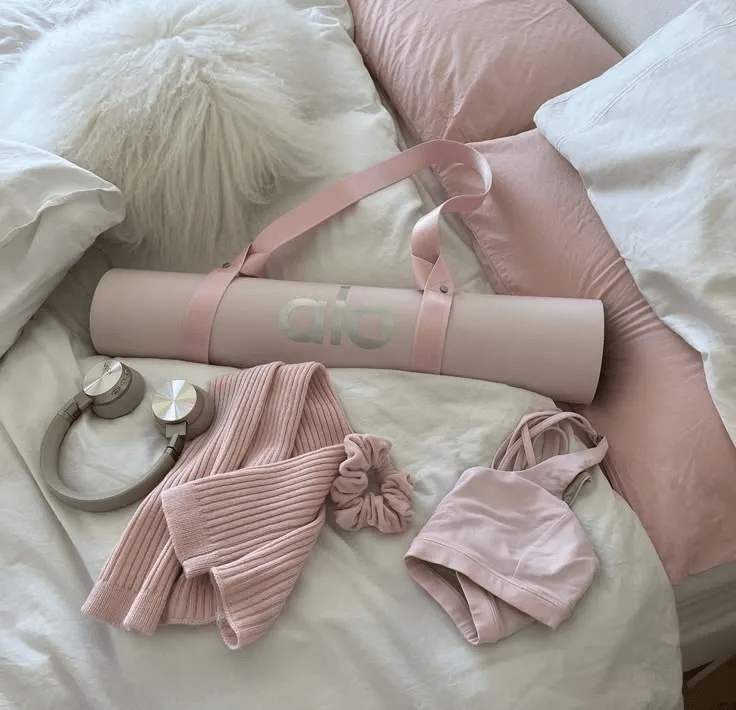
Her achievements include infiltrating the e-commerce marketing scene, dying the average fitness influencer pastel pink and becoming the ultimate female-equivalent of the Gym Bro. But perhaps her biggest milestone was crossing the frontier of the polished pilates studio. Because pilates was originally a prison cell exercise, created by Joseph Pilates, the man, the camp inmate, the fitness genius. During WWI, Pilates was interned in a British camp alongside other detained Germans. He observed that his inmates grew frail due to the lack of movement and blood circulation. And so, he began leading daily exercise sessions for his cell block.
The lack of adequate space and the bleak confinement of the camp walls only ever inspired Pilates to lay the foundation for his exercises. He engineered a method of activating, building and working the muscles through the simplest movements and pauses. After the war, him and his wife Clara put their minds together and truly refined the exercises that we now know. The pilates reformer and the other medieval looking machines that have been created later are known to be effective, but essentially the only two things needed to start doing these exercises are a mat and about a two-meter space.
In the spirit of the camp, folks have been broadcasting their pilates routines from their living rooms and bedrooms, encouraging more women to participate. To cop the Pink-est yoga mat I could afford and start exercising at home was truly an enlightening experience that eventually led me to muster the courage to attend actual pilates classes. Clearly the main appeal of pilates is the convenience. It’s a low-impact type of exercise that is actually, surprisingly effective.
It is past time to express gratitude for the online fitness instructors. Those who, ever so kindly, put out thoroughly detailed free videos of workout sessions, the likes of the brilliant Isa welly. It takes less than five minutes to find a comprehensive workout video that you can follow and it takes even less to see the audience’s positive engagement with this content; a touch of positivity is brightening everyone’s day over there. Through monthly plans, weekly updates, and frequent communication between the trainers and the audience through social media, an active community has been built around this forgiving exercise. The pilates community is reminiscent of that of Soulcycle when it first became popular, in the way both trends have a certain cultish flare.
This sweet pink trend enters the contemplative territory when the sales come to the picture. As we all know, people are not allowed to enjoy anything without corporates milking it for profit. So now the e-commerce space is oozing with pastel colored pilates sets and accessories, the prices of which vary from mildly costly to ridiculously expensive. The connoisseurs of this trend-hopping are probably Alo and Lululemon.comment on a pinterest post
The problem with that parasitical type of marketing is that, in the words of Chuck Palahniuk, “we buy things we don’t need with money we don’t have to impress people we don’t like.” When that same workout outfit is seen everywhere, hovering above perhaps the only daily activity a woman finds solace in, she will buy the outfit and will buy it agin. Whether she can actually afford it or whether is is worth the money it all, is entirely marginal, the focal point is to be in.
Though delicate in nature, the allure of this trend is ruthless. The unfavorable influence can easily be detected in the overconsumption and the overall fatigue and disappoint from not being able to afford the aesthetic or even look like it. It’s the type that leaves a bitter taste in the mouth. To read comments by young girls confessing that they “cannot do pilates” because they can’t afford the pink leggings and the Stanley cup is upsetting if nothing else. A meticulous marketing campaign showing a poisonous side is old news though. Once again, a trend that started as an uplifting communal activity goes to the bottomless grave of cool things that once didn’t require money to be cool.
 by Ella